December PhishQueue Phishing News
“Phishing scams take advantage of Holiday chaos…so take advantage of Phishqueue.”
12 Days of Phish‑mas: A Festive Look at Phishing Examples
The Growing Threat
What’s Going On?
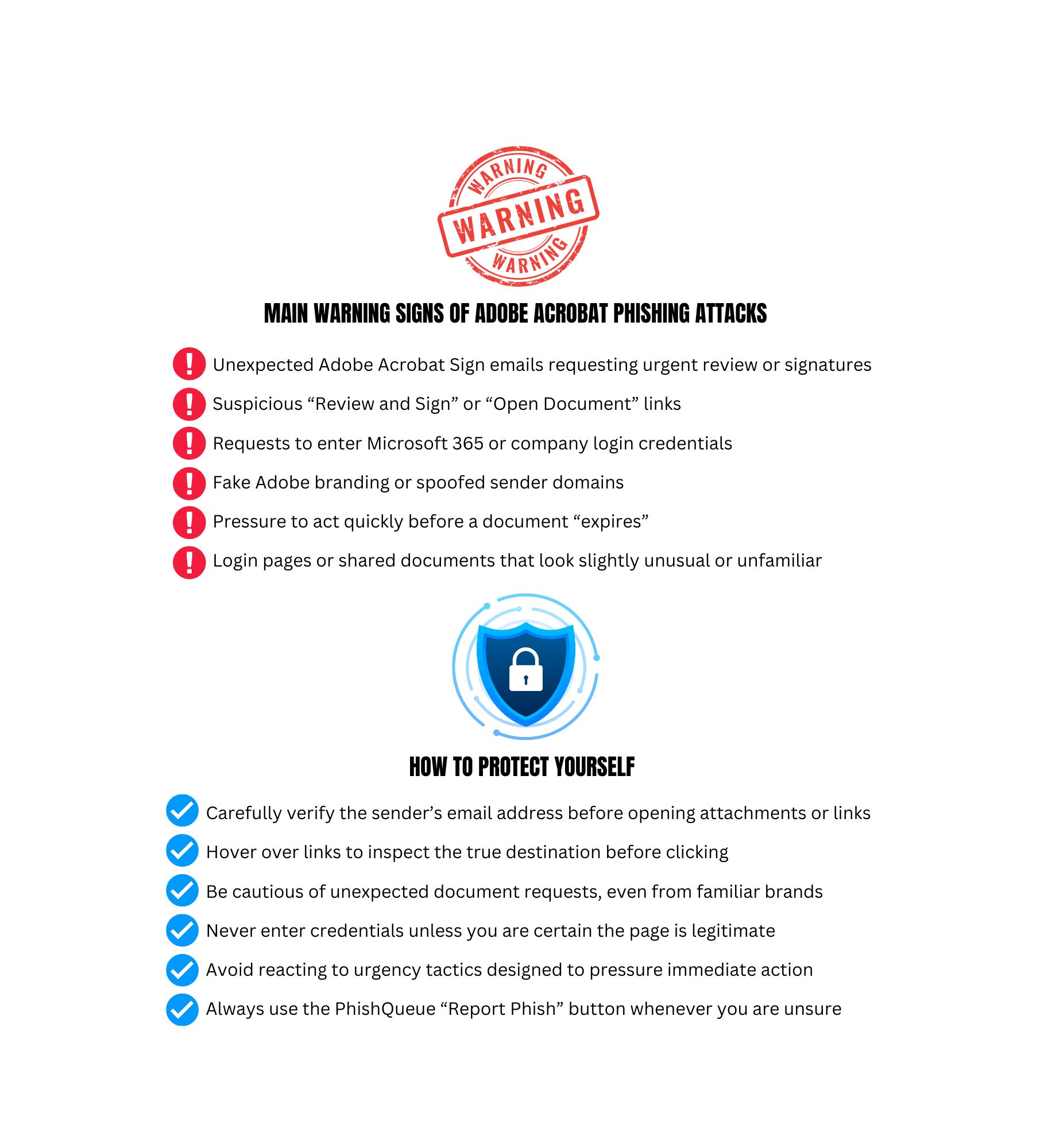
Phishing scams don’t take a break for the holidays. Cybercriminals use seasonal themes like urgent messages, fake copyright notices, impersonating bosses, holiday deals, and even supposed payroll issues to trick people into clicking links, opening attachments, or giving up personal or work information.
These scams rely on emotion, urgency, and familiarity, rather than technical tricks, to convince you to act.
How It Works:
- Phishing tries to look like something real, such as an email from a coworker, a service you use, or a familiar brand. But it is fake.
- You are asked to click a link for urgent action, maybe from someone pretending to be a company executive or HR.
- Perhaps the message claims you must open a document to fix a problem.
- When you respond, you unintentionally share login details, download malware, or reveal personal or financial data.
Why It Is Dangerous:
- The emails look convincing, so you might act before thinking.
- Urgent wording like “pay this now” or “confirm immediately” pressures you into clicking.
- Fake links can lead to sites that steal credentials or deliver harmful software.
- Even attachments can damage devices or give attackers access.
Holiday scams peak because people are rushed, distracted, and dealing with more messages in inboxes.
Sources: Common Holiday Scams
🛡️ Your Best Defense: Do not click. Verify with Phishqueue.
When you receive a suspicious email, do not guess, submit it to PhishQueue.
📌 Remember: PhishQueue will analyze the message and tell you if it is safe or malicious. That keeps you protected without risk.
_____________________________________
🤖 Phishing Emails Peak During The Holidays
🔍 Example: Phishing spikes during the holidays as inboxes fill with shopping, shipping, and charity messages, making distracted consumers more vulnerable to scams that cost billions each year.
🤖 Common Holiday Phishing Attacks
🔍 Example: Attackers exploit typical seasonal email messages by disguising phishing attempts as charity requests, travel updates, package delivery notifications, office party invites, and urgent end-of-year notices.
🤖 Holiday Scammers Are Getting Bolder with AI
🔍 Example: AI tools make phishing messages more believable with correct grammar and personalized content. That means old red flags like misspellings are less reliable.
🤖 Types of Phishing Attacks Examples
🔍 Example: Fake Google Doc sharing requests that steal login info, and fake tax or invoice emails that coerce victims into giving sensitive data.
🚨 The Bottom Line
Do not let the busyness of the Holiday Season cause you to be careless.
👉 Always verify through PhishQueue.
______________________________________________________
Quick Tips to Stay Safe:
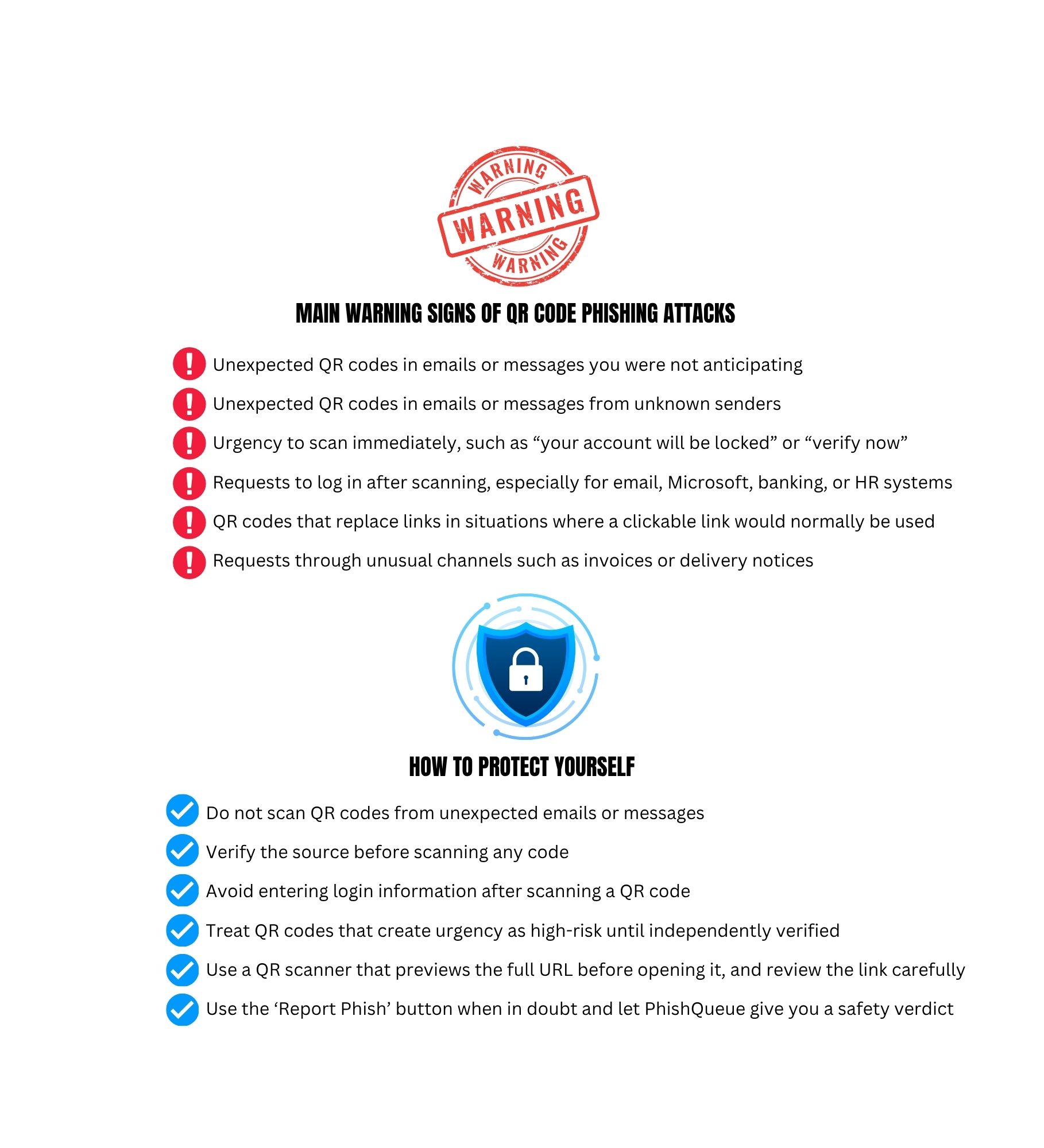
- Think before you click, especially if an email tries to hurry you.
- Inspect Links by hovering over them before clicking.
- Do not open attachments from unknown or unexpected senders.
- Use PhishQueue to submit all suspicious emails, even if you are unsure.
______________________________________________________
🎭 Phishing Joke of the Month
💡Why did the holiday phishing email think it was invited to the party?
👉 Because it showed up with perfect grammar, too‑good‑to‑be‑true deals, and a smile…and everyone thought it was on the guest list. 😆
Cybersecurity is serious, but staying informed does not have to be dull!
Stay vigilant,
The PhishQueue Team